Fashion Trends Defining Modern Style
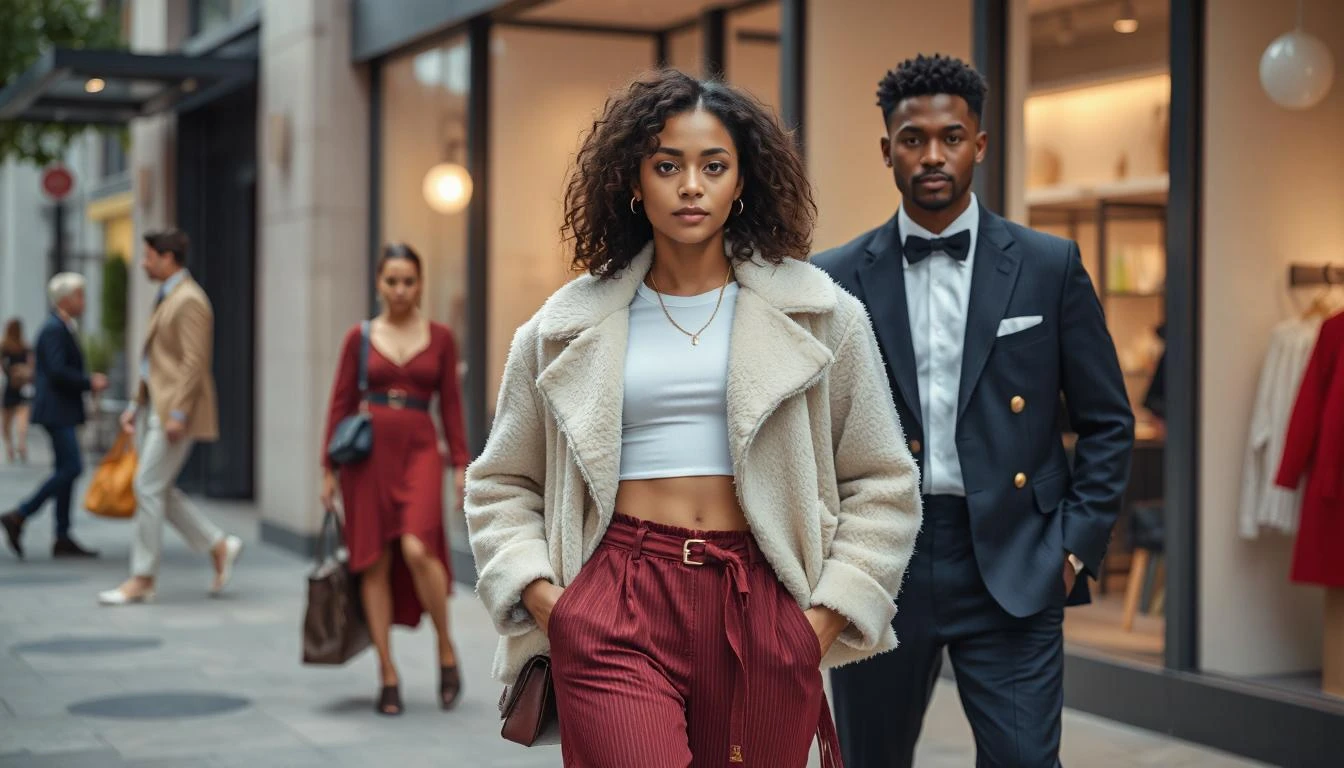
The world of digital fashion is shifting faster than ever, pulling culture, commerce, and creativity into one continuous flow. What used to be seasonal inspiration from runways has now become a 24/7 global conversation shaped by creators, consumers, and algorithms. Every scroll, click, and share contributes to a constantly evolving visual language that defines how people present themselves today.
In this landscape, fashion trends defining modern style has become more than a phrase, it represents a global movement where identity and aesthetics merge seamlessly. People are no longer just wearing clothes; they are participating in a cultural exchange that spans continents, platforms, and digital marketplaces. The boundaries between luxury, streetwear, and everyday style continue to blur, creating a new era of expressive individuality driven by connectivity and creativity.
Contemporary Fashion Influences
Modern style does not emerge in isolation, it is shaped by a powerful network of digital platforms, creators, and cultural shifts that continuously redefine what is considered fashionable.
Contemporary fashion trends are deeply tied to the evolution of digital culture, where social media acts as both runway and marketplace.
The supporting concept of fashion trends defining modern style reflects how global audiences now consume and interpret fashion in real time.
Social platforms have transformed everyday users into active participants in trend creation. Viral aesthetics rise and fade within days, yet their impact reshapes global wardrobes. TikTok micro-trends, Instagram styling reels, and Pinterest mood boards collectively influence how people understand beauty and identity. As digital strategist Lauren Hayes once said, “Fashion is no longer dictated, it is co-created by millions of voices online.”
Social media driven style evolution
Social media has become the heartbeat of fashion trends, accelerating how styles spread across cultures. Algorithms prioritize engagement, which means visual appeal often determines global visibility. This has created a new rhythm where trends are not seasonal, they are instantaneous. Users searching for how fashion trends influence global marketplace shopping behavior are actively participating in this digital transformation.
Celebrity and creator inspired fashion
Celebrities and creators now act as cultural translators between luxury houses and everyday consumers. Their influence shapes purchasing behavior across global fashion marketplaces, where authenticity and relatability matter as much as aesthetics. This democratization has turned personal style into a powerful marketing force.
Digital fashion communities and trends
Digital communities are quietly reshaping the backbone of fashion trends defining modern style. From niche Discord servers to fashion subreddits, these spaces nurture experimental aesthetics and sustainable conversations. A subtle shift is happening, what was once exclusive to designers is now co-created by global online communities.
The Shift Toward Sustainable Fashion
Sustainability is no longer an optional narrative, it is becoming the foundation of modern fashion thinking, reshaping how consumers interact with global marketplaces.
Before diving deeper, it is important to recognize that fashion trends are now influenced heavily by environmental awareness, ethical production, and consumer responsibility.
At the same time, eco-conscious fashion movements are redefining global shopping behavior and reshaping supply chains across industries.
This shift reflects a growing demand for transparency. Consumers are asking deeper questions about where their clothes come from, how they are made, and what impact they leave behind. Sustainability is no longer a niche, it is becoming mainstream identity.
Ethical clothing production
Ethical production has moved from a marketing angle to a necessity. Brands are now expected to demonstrate fair labor practices and transparent sourcing. This expectation directly influences fashion trends defining modern style, where responsibility enhances brand value.
Eco friendly fabrics and materials
Innovations in biodegradable fabrics, recycled textiles, and plant-based materials are reshaping production systems. These materials are central to the rise of sustainable fashion marketplaces that prioritize long-term environmental balance over short-term profit.
Slow fashion versus fast fashion
The debate between slow and fast fashion continues to define consumer behavior. Slow fashion emphasizes durability and intention, while fast fashion prioritizes speed and affordability. As fashion consultant Marco Delaney states, “The future of fashion will belong to those who can balance speed with sustainability without compromising identity.”
Personal Expression Through Style
Fashion today is no longer about fitting in, it is about standing out in ways that feel authentic and meaningful.
Fashion trends now serve as emotional language, allowing individuals to communicate identity without speaking.
The concept of fashion trends defining modern style reflects how deeply personal style has become in the digital era.
This evolution highlights a shift from conformity to individuality, where clothing becomes a storytelling medium rather than just utility.
Gender neutral fashion movement
Gender-neutral fashion is breaking traditional boundaries and redefining how people perceive clothing categories. Designers are embracing fluid silhouettes that prioritize expression over classification, reshaping modern style narratives globally.
Vintage and modern style fusion
The fusion of vintage and modern aesthetics is gaining momentum across fashion marketplaces. This blend creates unique visual identities that feel both nostalgic and futuristic, appealing to consumers seeking originality in a mass-produced world.
Individuality through fashion choices
Personal identity is now reflected through curated outfits shared across digital platforms. Searches like how social media changes fashion buying decisions highlight the growing importance of individuality in shaping global fashion consumption.
Redefine Your Look With Modern Fashion Trends
Modern fashion is no longer about following rules but about rewriting them. The rise of fashion trends defining modern style has empowered individuals to experiment freely with identity, culture, and creativity. Digital tools such as virtual try-ons and AI styling assistants are making personalization more accessible than ever.
Fashion is now a dialogue between the individual and the digital world. As stylist Daniel Rivera explains, “Style is no longer about what you wear, it is about how you translate yourself into a visual narrative.”