Urban Culture In A Rapidly Changing World
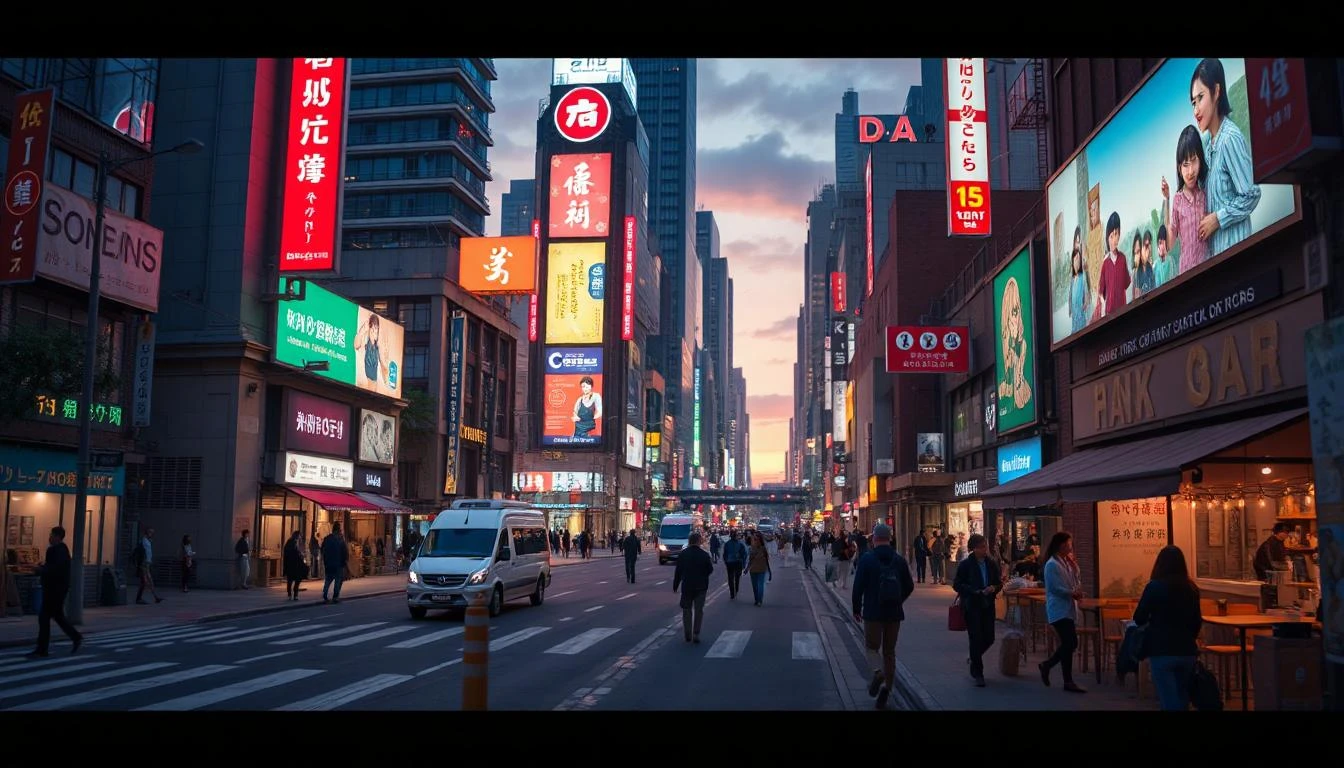
Cities today are no longer silent backdrops of human activity, they are alive, reactive, and constantly rewriting their own identities. From the rhythm of street vendors at dawn to the digital pulse of late-night creators uploading content across continents, everything merges into one continuous flow of transformation.
Step into any major city, and you will feel it instantly: culture is no longer stationary. It moves, shifts, and adapts in real time. Within this dynamic landscape, urban culture becomes the heartbeat of modern civilization, shaping how people live, interact, and imagine the future.
The Evolution Of Modern Cities
Modern cities are evolving at a pace never seen before, where architecture, technology, and human behavior intertwine into a single adaptive ecosystem. To understand this transformation is to understand how humanity itself is changing in real time.
The conversation around modern development is no longer just about buildings or infrastructure. It is about identity, connectivity, and how people experience life within rapidly shifting environments. Here, urban culture in a rapidly changing world becomes the lens through which we interpret progress, innovation, and survival in metropolitan spaces.
In discussions about global transformation, digital marketplaces and smart urban ecosystems often emerge as key drivers of change, reshaping how citizens interact with services and each other.
Technology transforming urban experiences
Technology has become the invisible architect of modern cities. From AI-driven transportation systems to real-time navigation apps, urban life is now mediated by digital intelligence. This shift is redefining urban culture in ways that go far beyond convenience, it is altering perception itself.
As urban theorist Saskia Sassen once noted, “Cities are strategic spaces where new forms of power and identity are constantly produced.” Her insight reflects how deeply technology is embedded into today’s cultural fabric.
This formula, often used to represent linear relationships, metaphorically mirrors how technology integrates into urban systems, simple in structure, yet powerful in impact. City life now operates on predictive systems that anticipate human needs before they are even expressed.
Smart city development initiatives
Governments and private innovators are investing heavily in intelligent infrastructure, from automated traffic control to energy-efficient urban grids. These initiatives redefine urban culture in a rapidly changing world, turning cities into self-regulating ecosystems.
At this stage, urban spaces are no longer passive, they respond, adjust, and optimize continuously, creating a seamless loop between human behavior and machine intelligence.
Changing patterns of city living
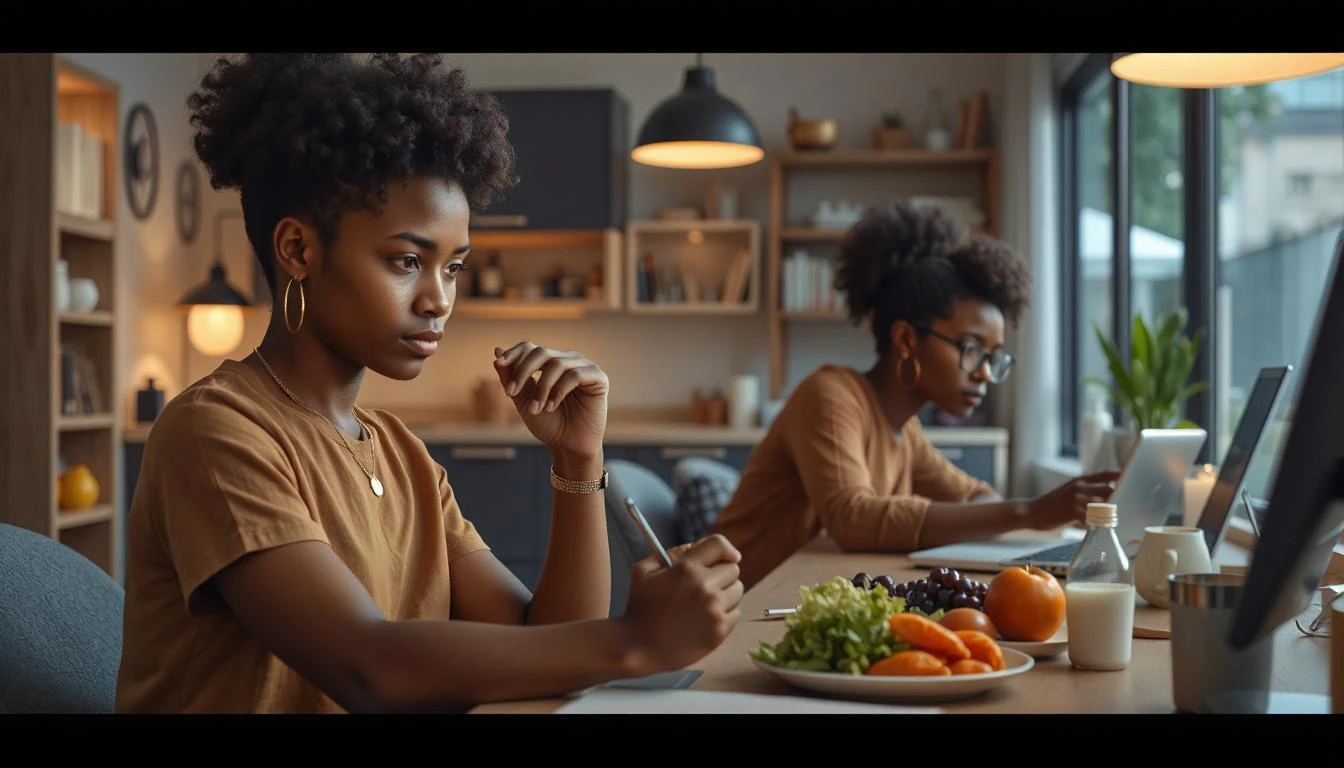
Work, leisure, and social interaction have blended into hybrid lifestyles. Remote work culture, co-living environments, and digital-first communities are reshaping daily routines. This shift strengthens the influence of urban lifestyle trends and expands the reach of global e-commerce ecosystems.
Creativity And Community In Urban Spaces
Creativity is the emotional core of every city. Without it, urban environments would be lifeless grids of steel and concrete. It is through expression and shared experiences that urban culture gains meaning and depth.
Every street corner tells a story. Every mural, gathering, or spontaneous performance contributes to a larger narrative of belonging and resistance in rapidly evolving cities.
Street art and cultural expression
Street art functions as a visual language of modern identity. It reflects social tensions, political voices, and community aspirations. In many cities, it has become a legitimate form of storytelling that defines urban culture in a rapidly changing world.
Urban researcher Richard Florida once stated, “Creativity is the driving force of economic and cultural growth in cities,” emphasizing how artistic expression fuels urban evolution.
Community driven urban projects
Grassroots initiatives are reshaping how public spaces are used. Community gardens, shared workspaces, and pop-up cultural hubs demonstrate how urban culture thrives when people actively participate in shaping their environment.
These projects often act as living laboratories for social innovation, proving that cities grow stronger when collaboration replaces isolation.
Local events shaping city identity
Festivals, street fairs, and cultural exhibitions are not just entertainment, they are identity markers. They reflect the diversity and rhythm of urban culture in a rapidly changing world, turning cities into living cultural archives.
Social Trends Influencing Urban Culture
Modern social behavior is deeply intertwined with digital platforms. Every post, trend, and interaction contributes to shaping how cities evolve culturally and economically.
Urban identity is no longer confined by geography; it is now influenced by algorithms, networks, and global digital communities.
The impact of social media on communities
Social media has transformed cities into global stages. Local trends can become international phenomena overnight, reshaping urban culture in real time.
Platforms such as Instagram and TikTok amplify voices that once remained local, turning neighborhoods into cultural influencers on a global scale.
Youth culture and urban innovation
Young generations are the primary drivers of transformation. Their adoption of creator economies, digital entrepreneurship, and decentralized platforms fuels new interpretations of urban culture in a rapidly changing world.
They do not merely adapt to cities, they redesign them.
Diversity and cultural exchange in cities
Cities thrive on diversity. Migration, globalization, and digital connectivity create hybrid cultures where traditions merge and evolve. This cultural exchange strengthens urban culture, making cities more resilient and innovative.
Be Part Of The Future Of Urban Culture
The future of cities is not something distant, it is unfolding now in every interaction, transaction, and creative expression. Urban culture in a rapidly changing world invites participation, not observation.
As economist Edward Glaeser once said, “The city is not a concrete structure; it is the people who bring it to life.” This perspective reminds us that urban transformation is ultimately human-driven.
You are already part of this evolution, whether through digital engagement, creative contribution, or daily urban interaction. The question is how actively you choose to shape it.